
Why Some Landscape Photos Feel Empty (even when the place is incredible)
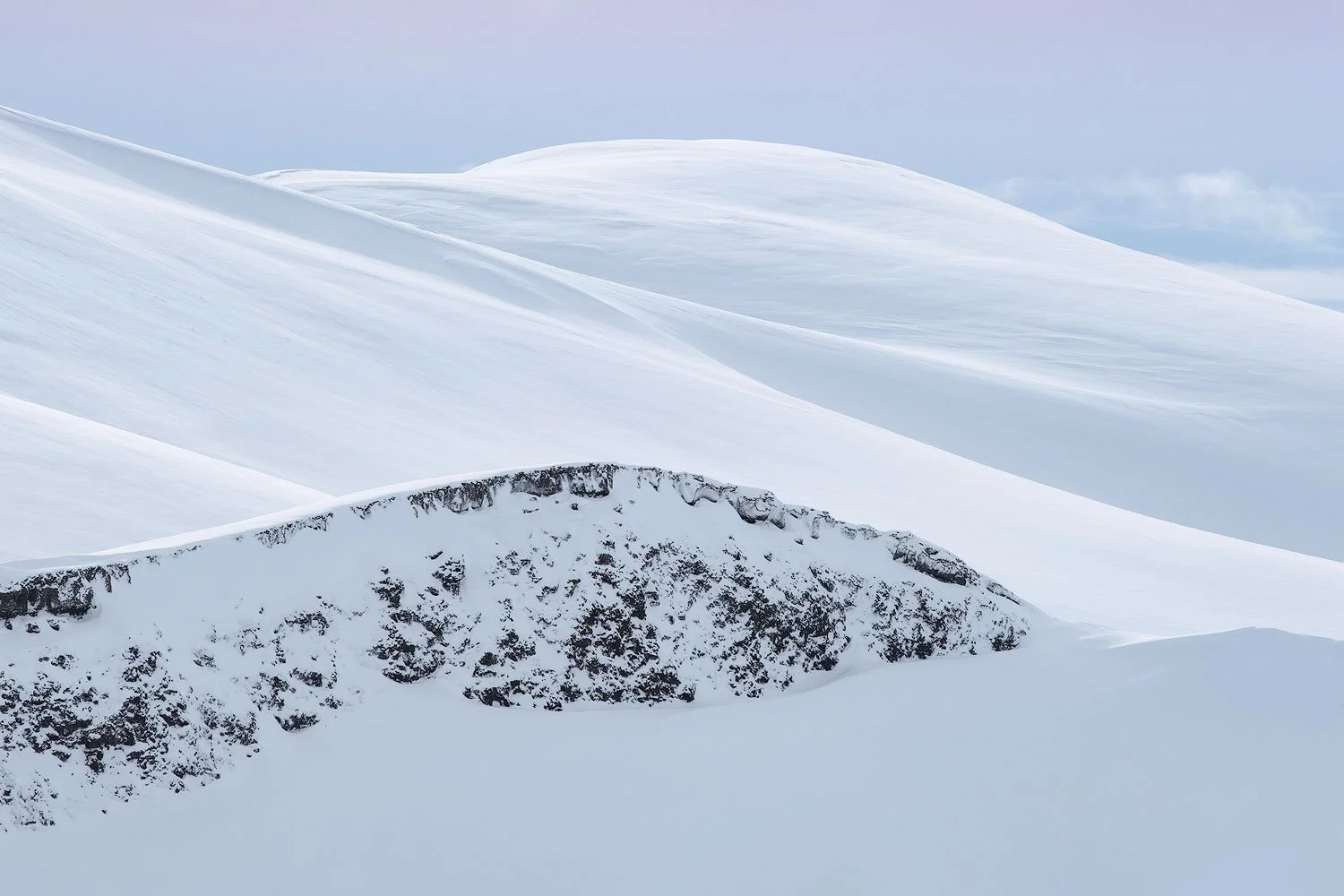
Let’s get something out of the way. If a photo feels empty, it’s usually not because the place wasn’t good enough.
It’s because nothing meaningful happened between you and the landscape.
That sounds harsh, but it’s also liberating. Because it means the problem isn’t your gear, your editing, or your access to “better” locations. It’s about the relationship you’re bringing into the frame.
And that’s something you can actually work on.
1. The Landscape isn't the Point
A place doesn’t owe you a photograph.
Just because a location is famous, dramatic, or difficult to reach doesn’t mean it has anything to say through you. Two people can stand in the same spot and make images that feel completely different or equally forgettable.
The difference isn’t talent. It’s engagement.
Landscape photography isn’t about documenting where you were. It’s about translating how it felt to be there. If that connection isn’t present, no amount of drama in the scene will save the image.
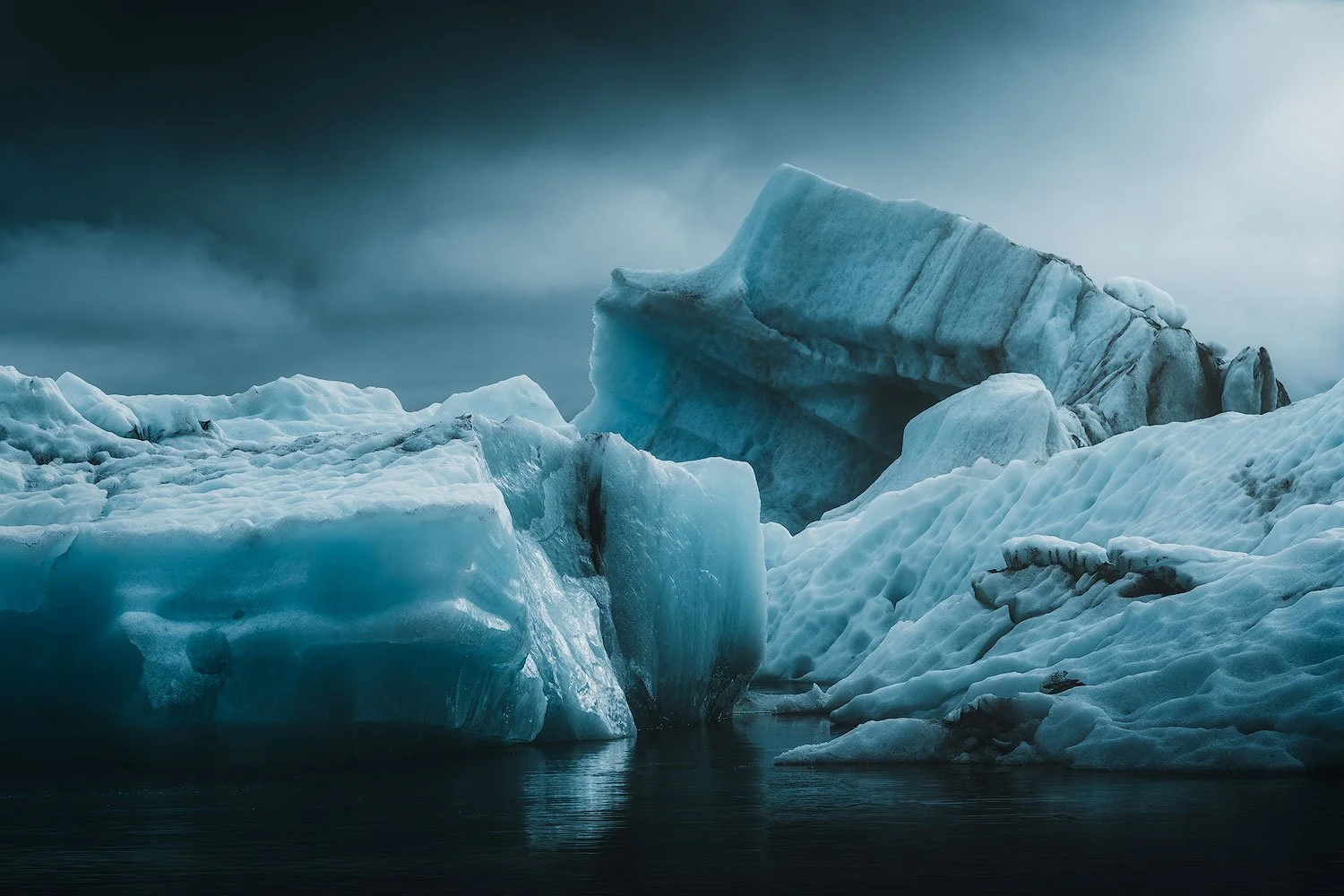
2. Cameras Don’t Make Choices, You Do!
A camera is just a very efficient recording device. It doesn’t see, feel, or decide. It’s easy to forget this in a world obsessed with specs and tools.
All of that still happens before you press the shutter.
At its core, photography is still about the same thing it’s always been: noticing relationships. Between shapes. Between tones. Between light and space. The technology got faster. The responsibility didn’t change.
The camera doesn’t decide what matters. You do.
Every frame is an opinion, whether you like it or not.
If an image feels empty, it’s rarely because the tool failed. It’s because the seeing never really happened.
3. Reality is Messy. That’s Not a Flaw.
Here’s something I’ve stopped trying to fix in my own work: reality.
Landscapes aren’t pristine. They have tracks, scars, signs of human presence, and awkward elements that don’t fit the postcard version we’re sold.
Removing all of that might make an image cleaner, but it often makes it less honest.
I’m increasingly convinced that landscape photography doesn’t need to be escapism. It can be grounded. It can be uncomfortable. It can acknowledge where we actually are.
Not everything has to be softened into a dream.
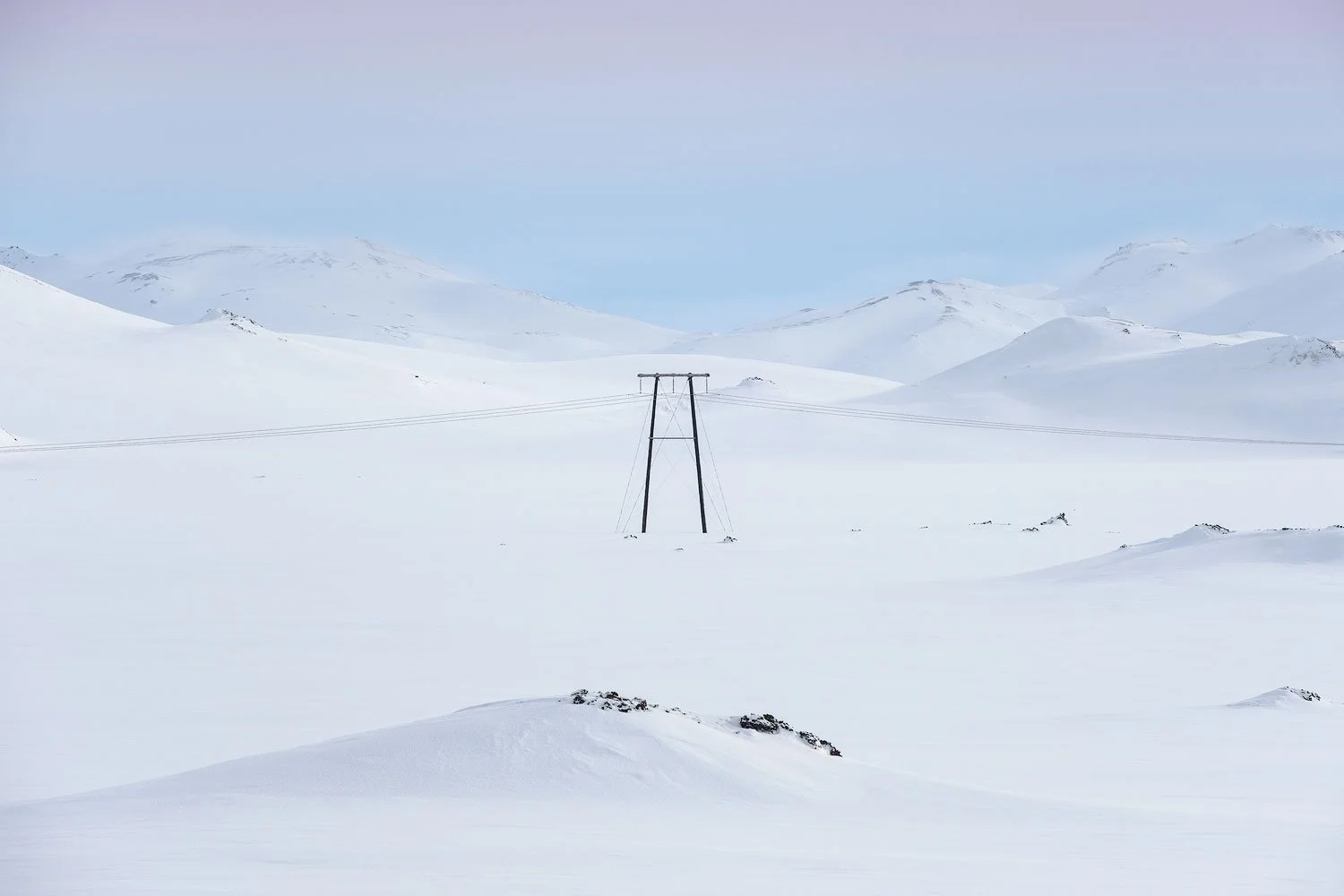
4. Beauty Doesn’t Mean “Nice”
Not every photograph needs to be pleasant.
Some of the most interesting images sit right on the edge of discomfort. They’re not ugly, but they’re not trying to be liked either. They hold tension. They ask you to stay with them for a second longer.
Beauty isn’t about perfection. It’s about relationships that work, even when the subject itself is rough, broken, or unresolved.
Once you stop trying to make everything look nice, your visual options expand dramatically.
5. Composition Is Not a Recipe
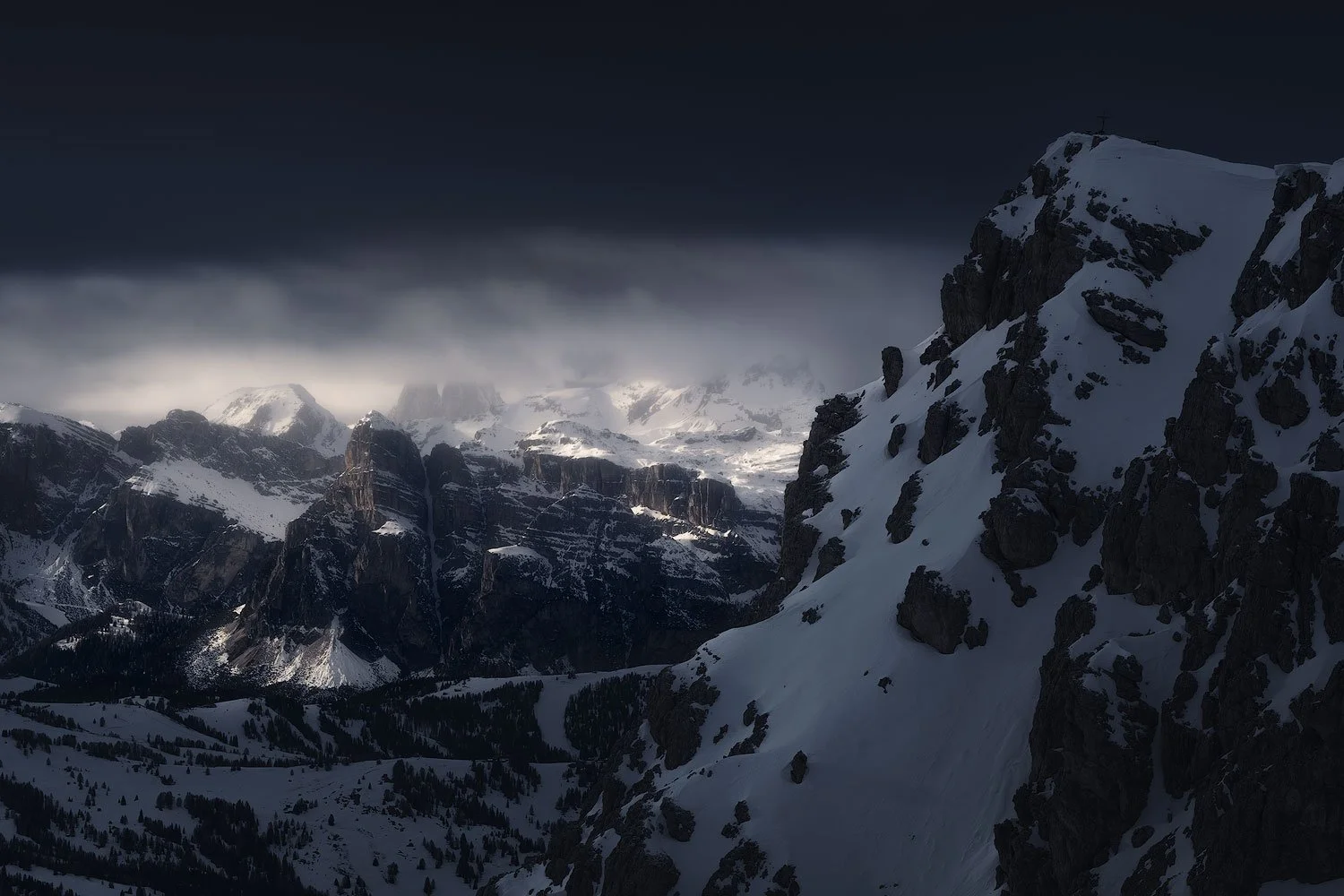
Rules are helpful. They teach you how images function.
They give you something to lean on early on, but if you never let go of them, your work becomes predictable. Safe. Interchangeable.
Strong images aren’t assembled from templates. They’re discovered by paying attention. By recognizing when something in front of you has energy, tension, or presence.
If your images all look “correct” but feel lifeless, this is often why.
And avoiding risk is the fastest way to make forgettable photographs.
6. Stop Overthinking in the Field
The field is not the place for intellectual debates.
Out there, the work should feel physical. You move. You adjust. You respond. You sense when something clicks or when it doesn’t.
The thinking comes later. That’s what editing, reviewing, and printing are for.
If you try to intellectualize everything while shooting, you’re not present enough for anything real to happen.
7. Depth Beats Perfection Every Time
Chasing perfect images is a great way to avoid saying something honest.
Growth doesn’t come from polishing the same idea over and over. It comes from going deeper into why certain scenes pull you in, and others don’t.
Quiet images. Awkward images. Incomplete images.
They often carry more truth than the flawless ones.
8. A Few More Thoughts...
If there’s one thing I’ve learned over time, it’s this:
If nothing happens inside you when you’re making the photograph, nothing will happen inside the person looking at it.
A landscape photo doesn’t work because the place is impressive.
It works because you were present.
Next time you’re out with your camera, forget about making something impressive.
Ask yourself something simpler: What am I actually responding to here?
That question alone will take you further than most techniques ever will.
What about you?
When you look at your own photos later, where do you usually realize things went wrong?
Was it never deciding what mattered? Trying to fix too much? Or not fully committing to what you were responding to at the time?
If you want to share, I’d love to read your perspective in the comments.
Thanks for reading.
Join Me on a Photograhy Workshop
If you want to learn more about light, composition, technique, and improve your photography and editing skills at a deeper, more personalized level, I’d love to have you join me in one of my photography workshops, where we’ll work hands-on in stunning locations to level up both your editing and field techniques. If you’re interested, click the link below for all the details and sign up!

Let's improve your photography composition with the wide-angle lens by analyzing three of the most common mistakes people make when photographing landscapes.