
Rule of Thirds Photography Limitations: A Better Way to Learn Composition
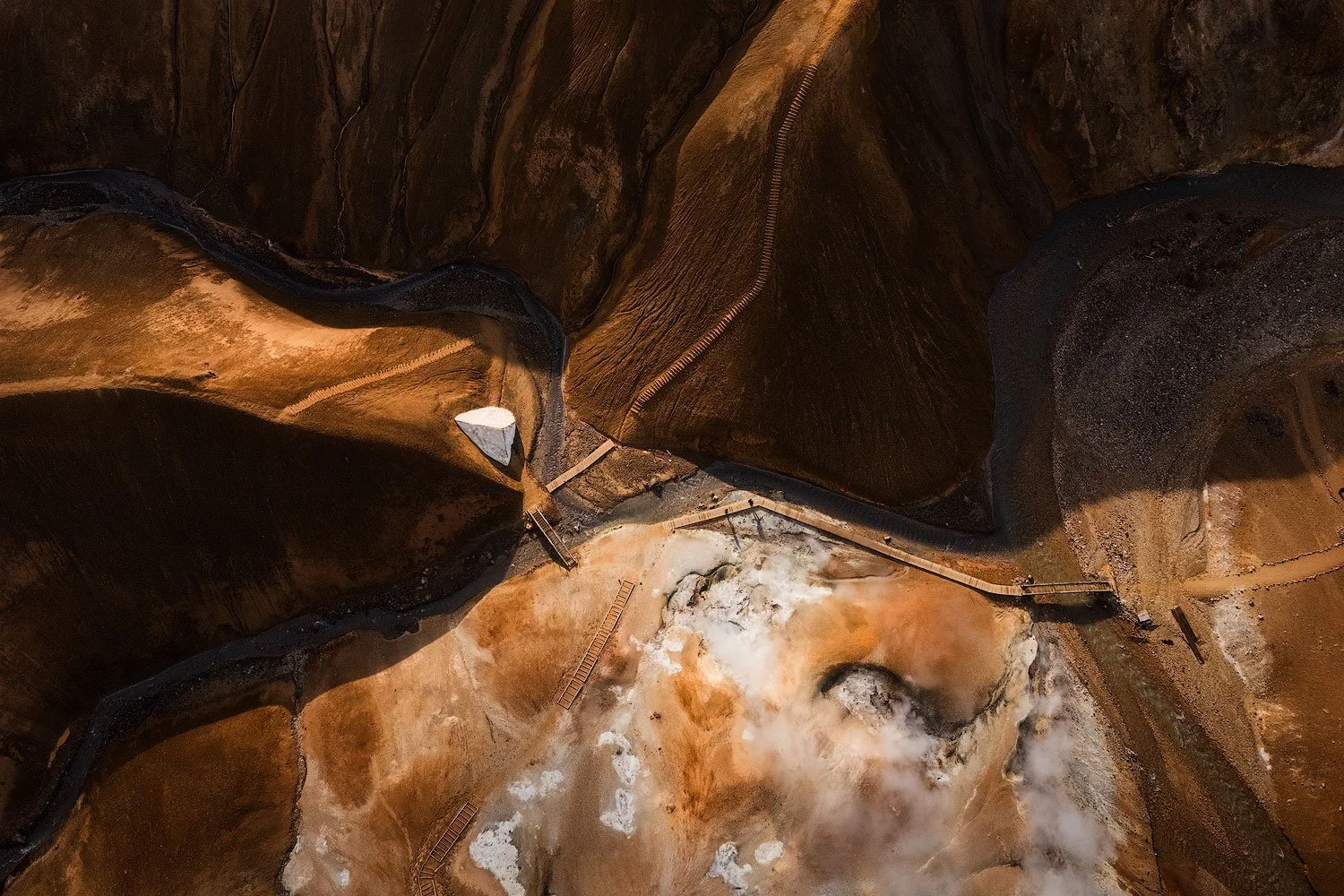
One of the most common things I hear during my workshops is this:
“I struggle with composition.”
And to be honest, that doesn’t surprise me. Composition is the single biggest challenge for most photographers. Not because it’s complicated, but because it’s often taught in the wrong way.
Composition isn’t about rules. It’s about awareness.
1. Start With What Actually Speaks to You
Before thinking about how to compose, ask yourself a simpler question:
What is it that’s pulling me in right now?
Is it color?
Is it texture?
Is it light?
Is it a shape, a contrast, or a mood?
That element, the one that genuinely excites you, is your starting point.
The composition should grow out of that, not the other way around.
A common mistake I see is people jumping straight into “search mode”:
Where’s the leading line?
How do I fit this into the rule of thirds?
Ah, the rule of thirds……!!!!
Those ideas can be useful tools, but when they become the starting point, they limit how you see.
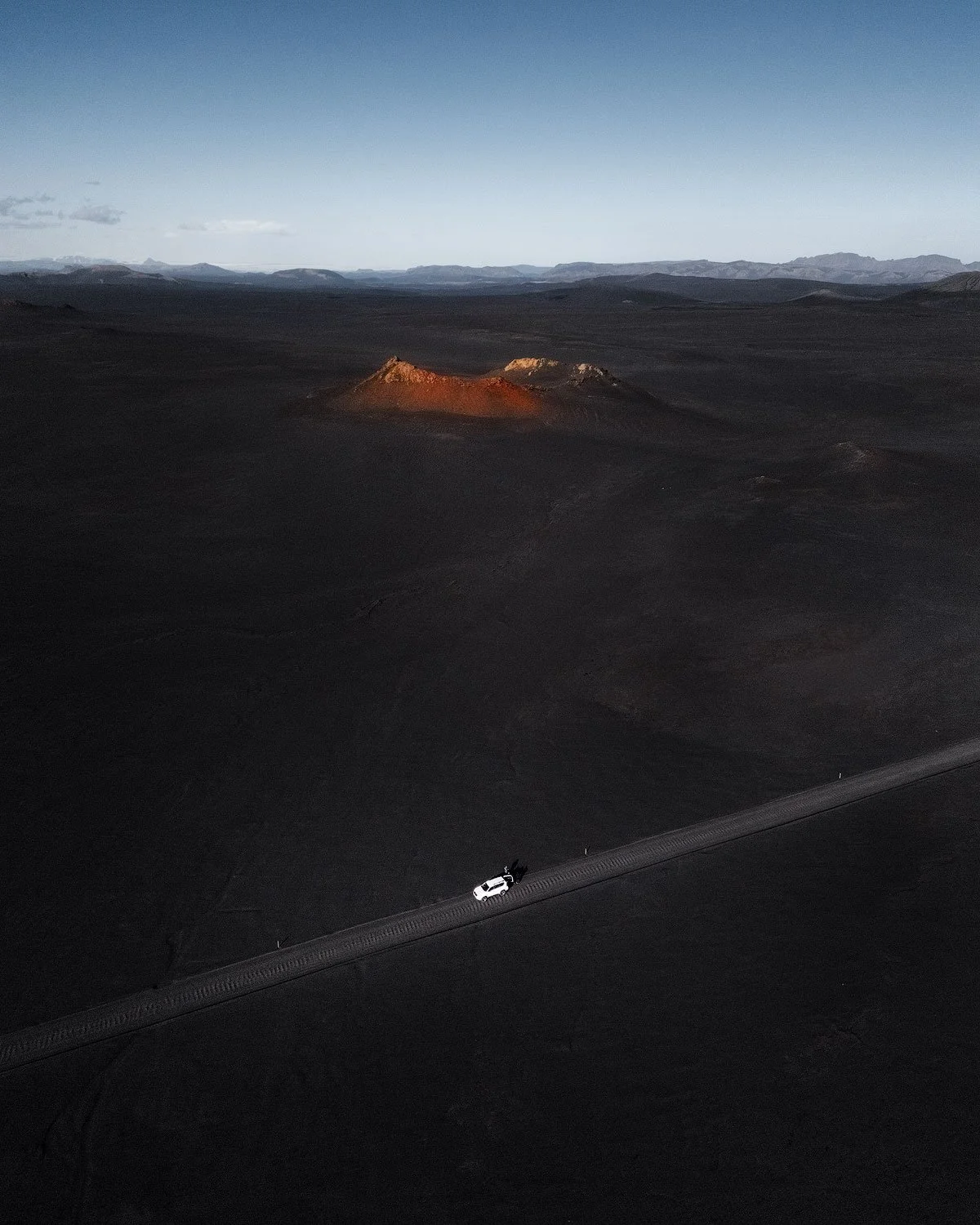
Nothing in nature is arranged according to grids or diagrams.
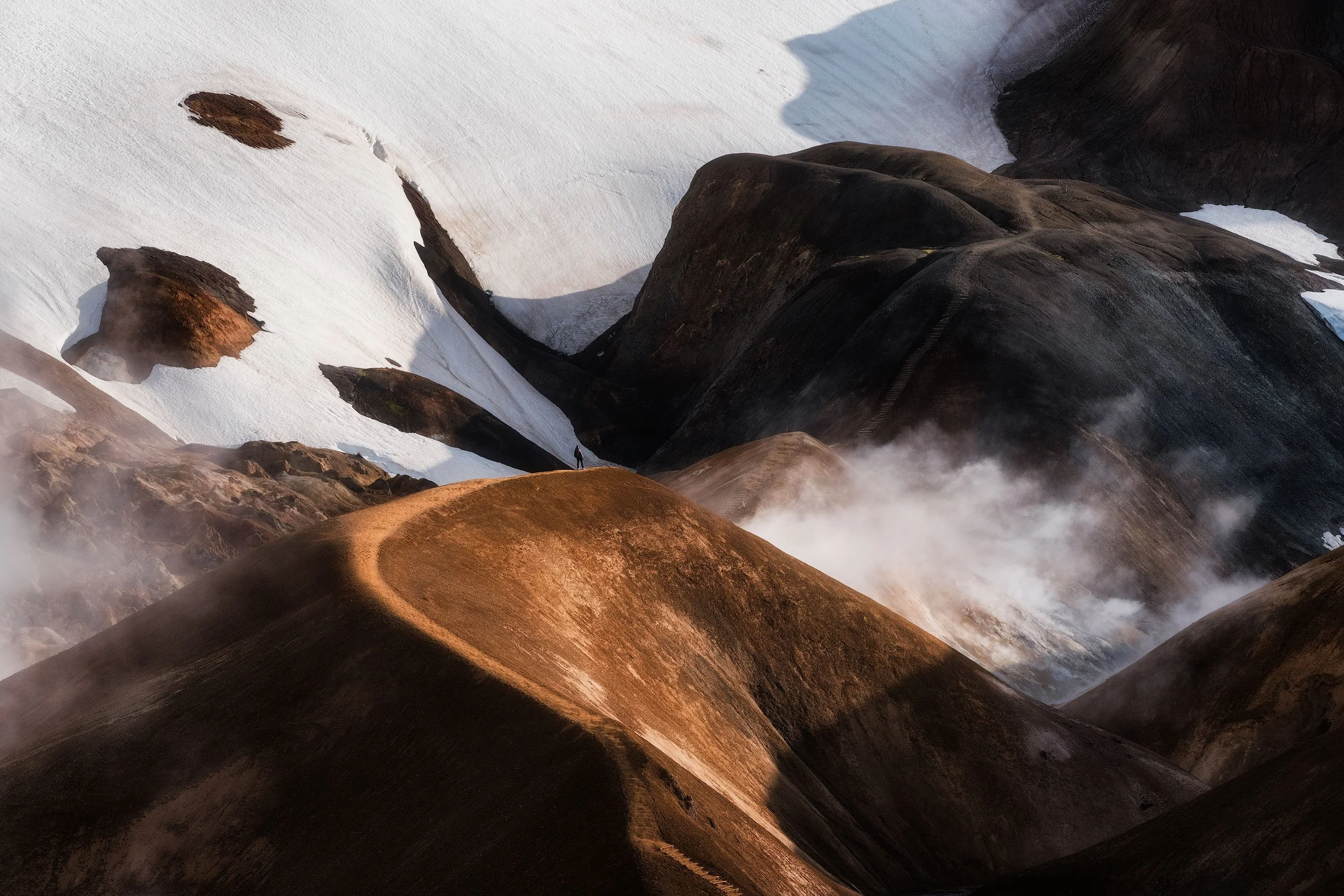
When you walk through a landscape, there is no rule of thirds overlay floating in front of your eyes. What you’re actually doing, often without realizing it, is discovering shape, balance, and relationships.
Good composition comes from:
Noticing how elements relate to each other
Feeling the visual weight of shapes
Sensing flow, tension, or calm in a scene
And most importantly, responding to what YOU are drawn to.
That personal response is what gives your images identity.
2. A Short Detour Into the Renaissance
What’s fascinating is that these exact questions aren’t new.
If you go back about 500 years, artists in Renaissance Italy were wrestling with the same problem:
How do you describe space and depth on a flat surface?
Painters like Leonardo da Vinci, Raphael, and Michelangelo didn’t just paint “pretty scenes.” They were deeply interested in how the eye moves through an image.
This is when perspective became more structured. Not as a rigid formula, but as a way to:
Guide attention
Create depth
Build a sense of space and flow
What’s important here is this:
They weren’t thinking in terms of lines first.
They were thinking in terms of focus, balance, and movement.
Exactly the same things we deal with in landscape photography today.
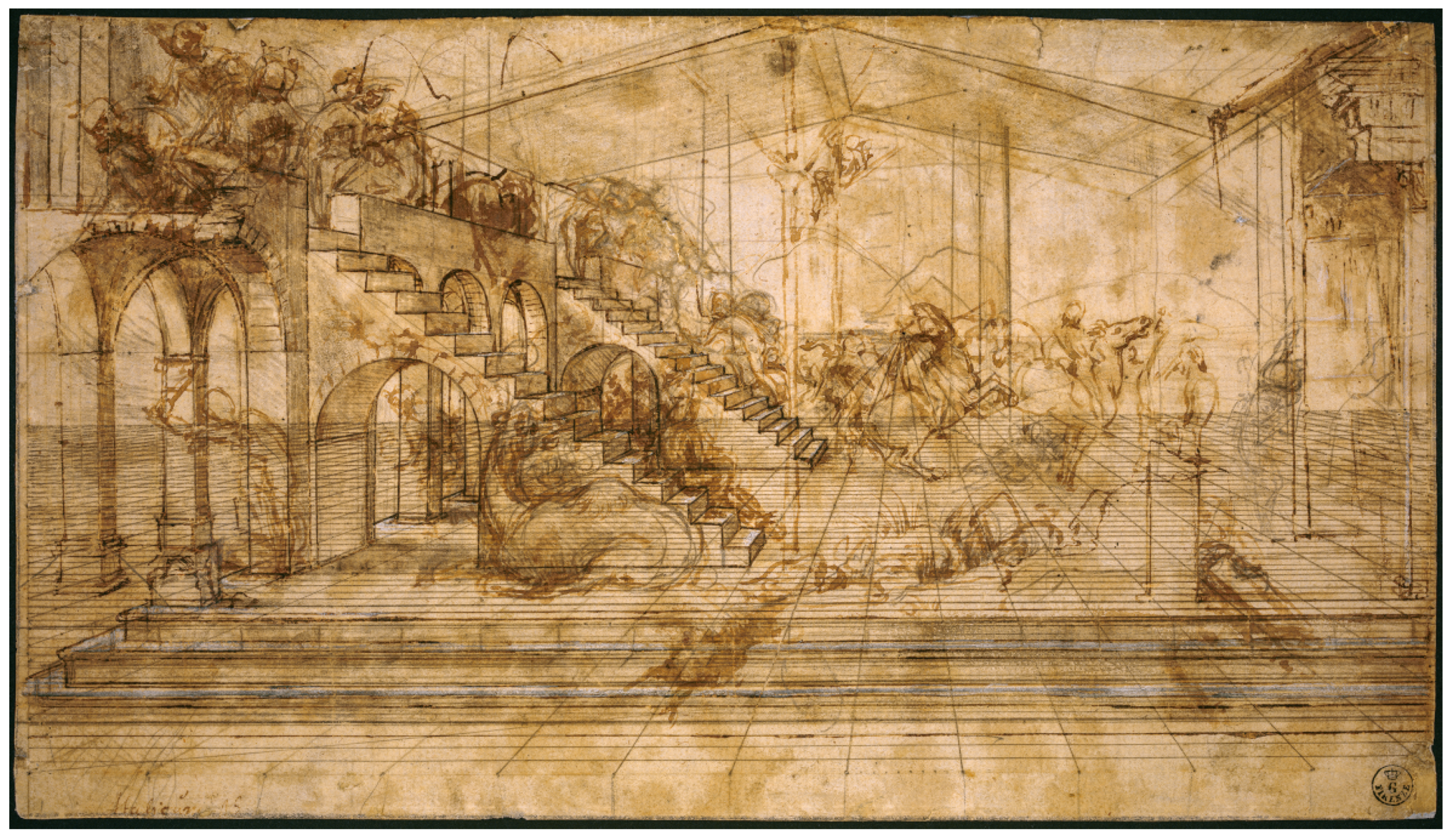
Leonardo da Vinci - Study for the Background of the Adoration of the Magi (around 1481)
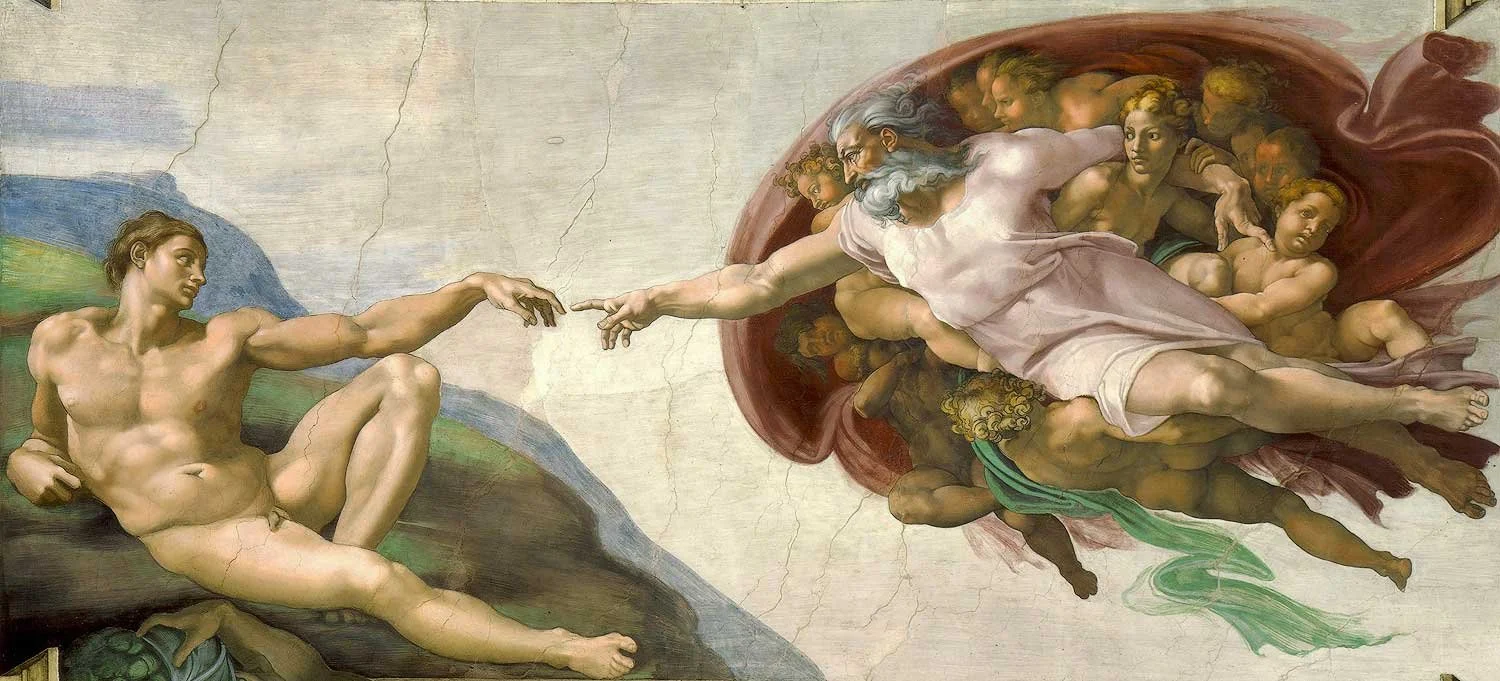
Michelangelo - The Creation of Adam (around 1508-1512)
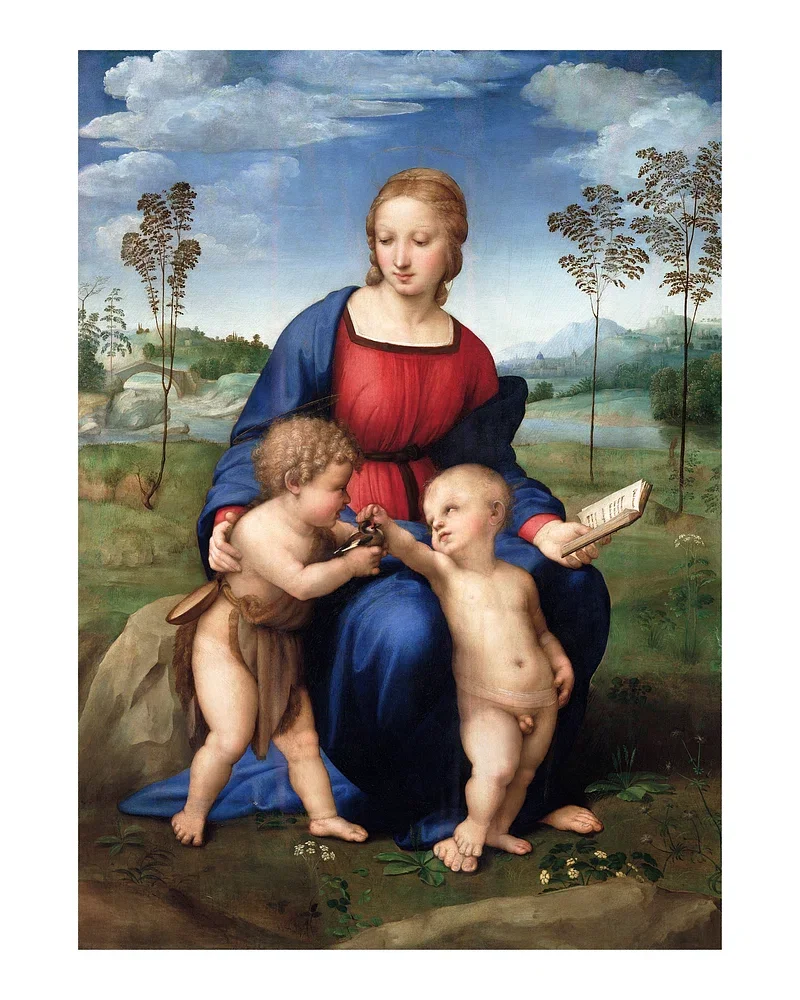
Raphael - Madonna of the goldfinch (1507)
Composition Is About Flow, Not Formulas.
Whether it’s a Renaissance painting or a mountain landscape, strong composition comes from how different elements interact:
Where does the eye land first?
Where does it go next?
Does the image feel static, dynamic, calm, or tense?
This “flow” isn’t created by one single trick.
It emerges from the combination of light, shape, contrast, spacing, and intention.
3. Can You Learn This? Yes. But There’s No Shortcut.
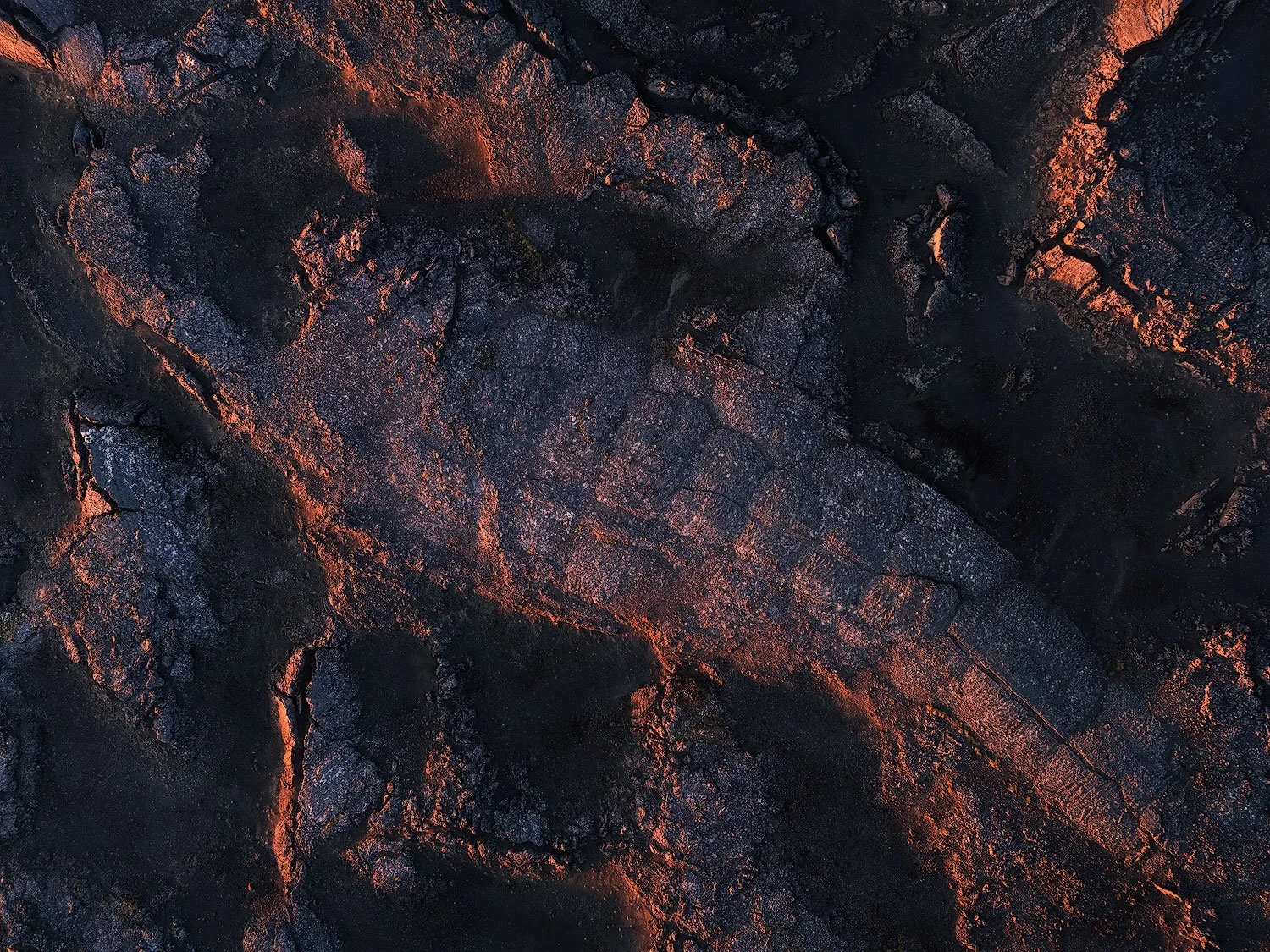
Some people seem to have a natural eye for composition, and that’s true.
However, the good news is this: Seeing can be trained.
And the main way to train it is very unglamorous:
Go out.
Photograph a lot.
Pay attention to what works and what doesn’t.
Just like anything else in life, improvement comes from repetition and awareness. The more time you spend observing landscapes, not just shooting them, the better your visual instincts become.
Composition isn’t about following rules.
It’s about learning to listen to what excites you visually, and building the image around that.
Everything else comes later.
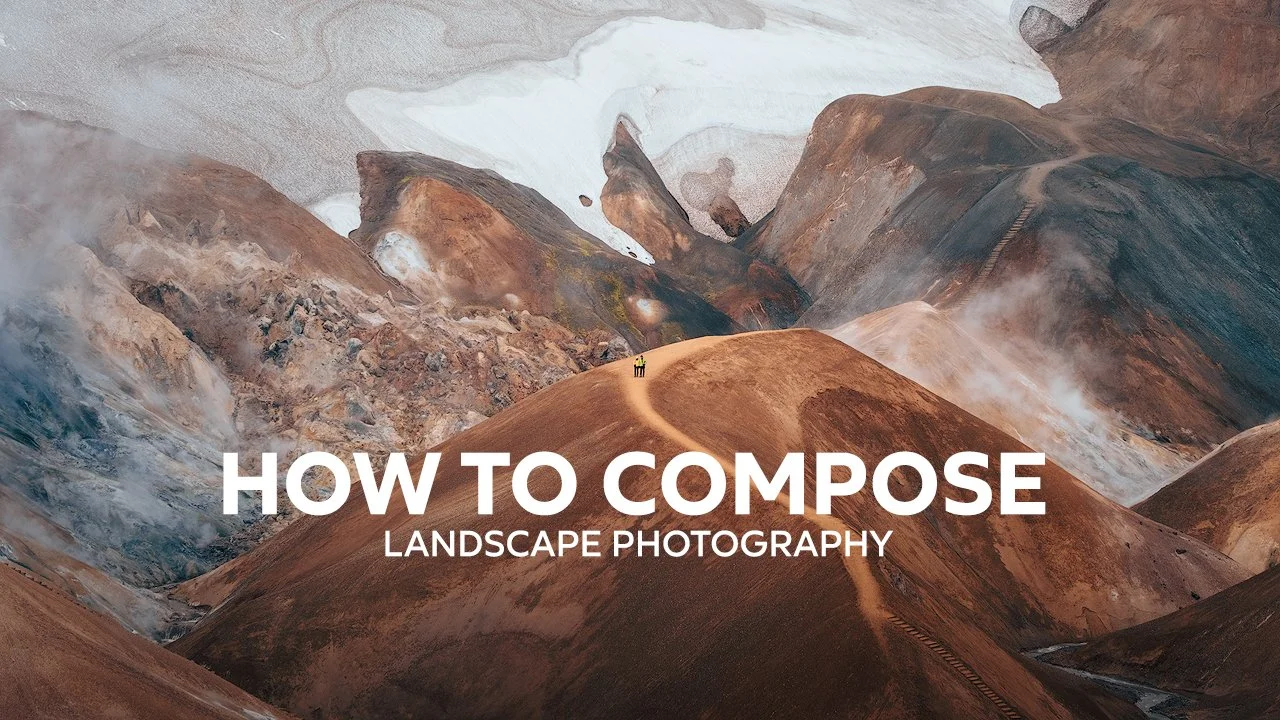
Here is a video I made a while ago; I’m sure you’ll find some additional useful insights on improving your composition skills.
What about you?
When you’re out in the landscape, what’s the hardest part for you when it comes to seeing a composition?
Is it figuring out what to focus on first, ignoring visual noise, or trusting your instinct instead of looking for rules?
If you feel like sharing, let me know in the comments. I always enjoy reading how others experience this process.
Thanks for reading.
Join Me on a Photograhy Workshop
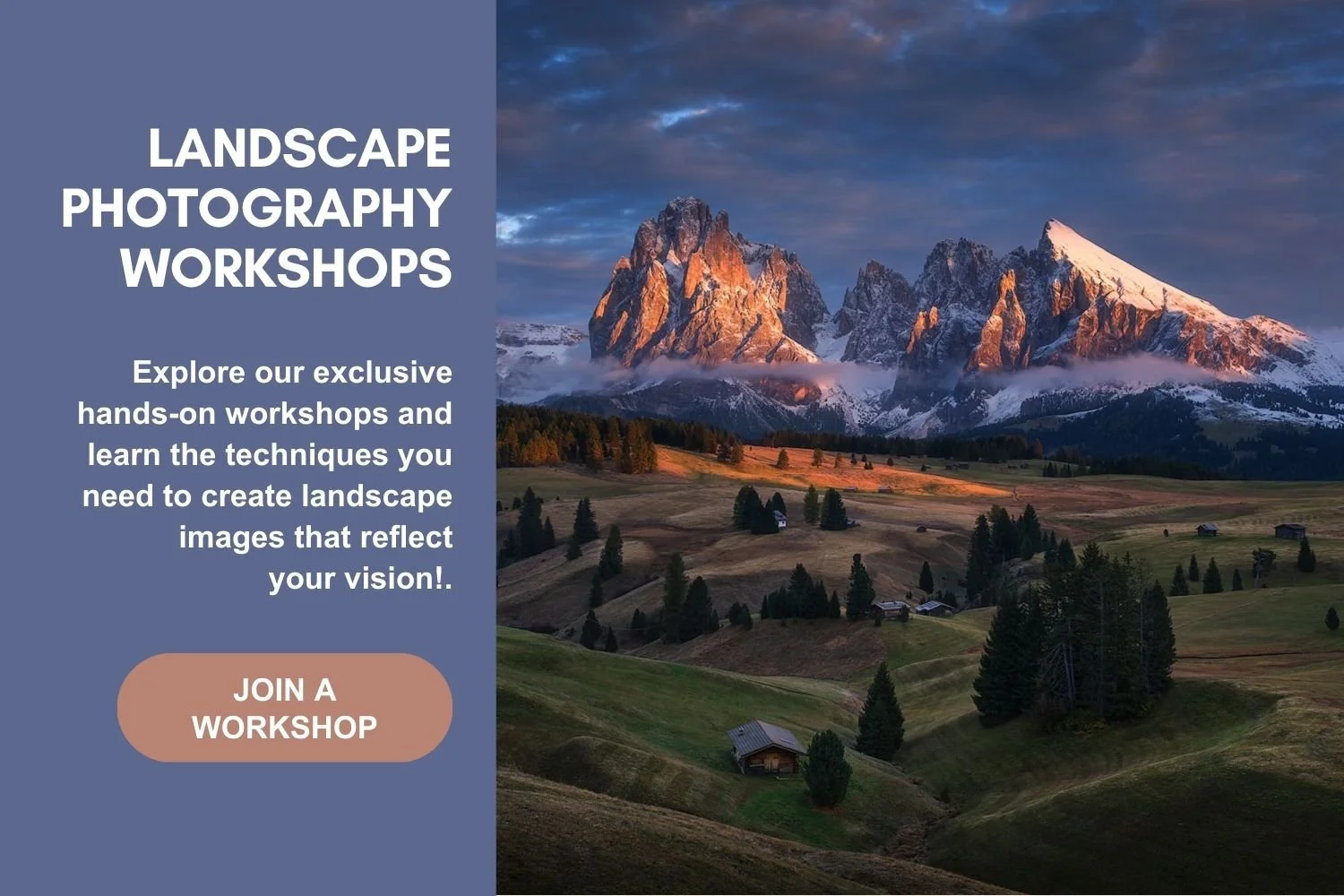
If you want to learn more about light, composition, technique, and improve your photography and editing skills at a deeper, more personalized level, I’d love to have you join me in one of my photography workshops, where we’ll work hands-on in stunning locations to level up both your editing and field techniques. If you’re interested, click the link below for all the details and sign up!
A complete guide to blue hour photography: Discover its magic, how to calculate it, the difference from twilight, and the best camera settings to use.