
Why I Switched to the NYA-EVO FJORD 60-C for Landscape Photography
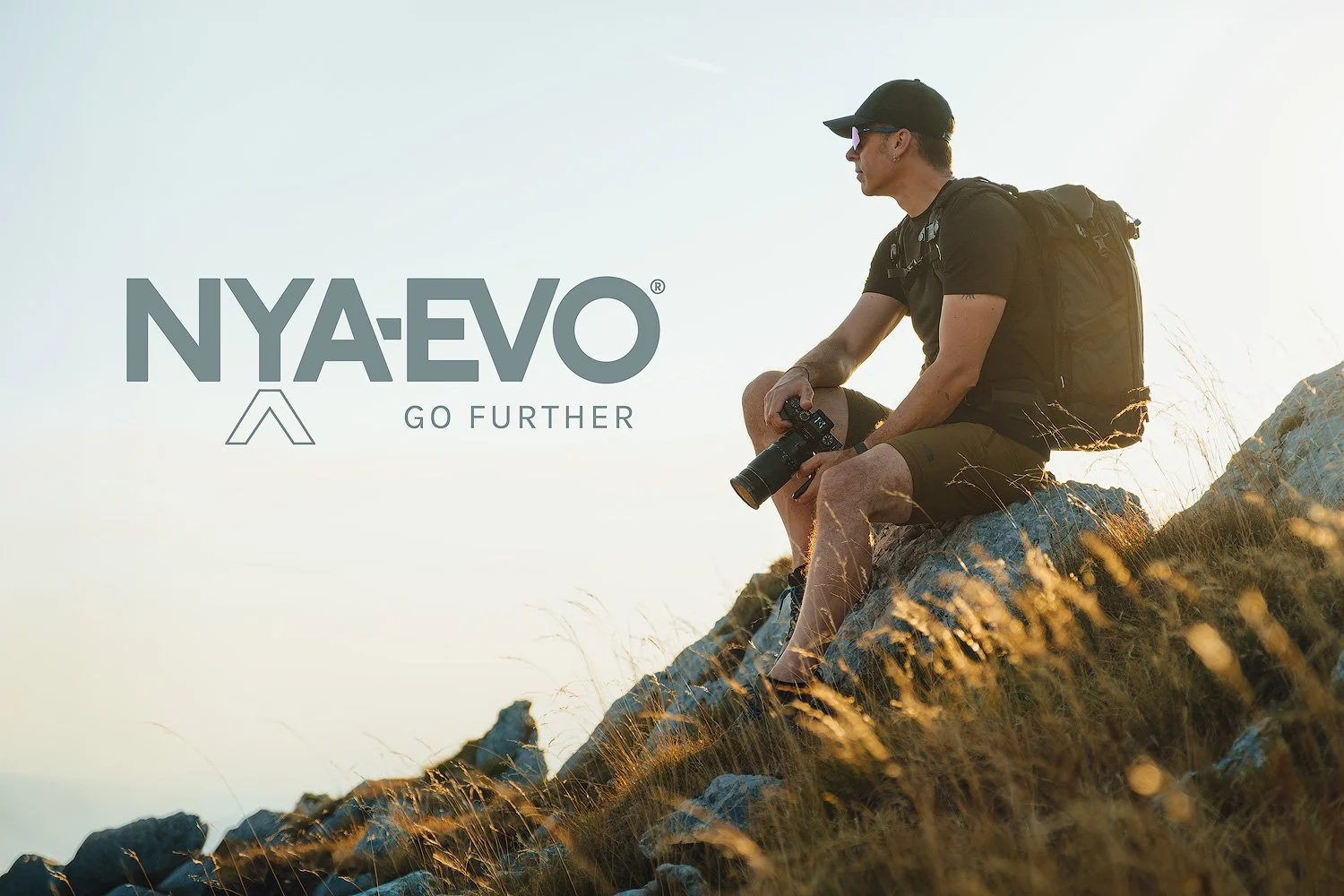
There was nothing dramatically wrong with my previous camera backpack. It had simply stopped fitting the way I work.
More of my work now involves mountain environments, international travel and workshops. I spend long days moving between locations, carrying camera gear alongside clothing, food, a laptop and a tripod. I want the backpack to support that work without becoming something I am constantly thinking about.
At some point, I realized I was adapting the way I worked to the backpack rather than the other way around. I was not looking for another piece of gear for the sake of it. I wanted a system that made more sense for how I work now. That is what eventually led me to the NYA-EVO FJORD 60-C.
Partnership disclosure: NYA-EVO provided the FJORD 60-C ECONYL® Gen 4 camera backpack and RCI-L Large Camera Insert for me to keep. I was not paid to produce this article. I receive no affiliate commission, and there is no discount code. NYA-EVO had no approval over the article or the opinions expressed.
What I Needed From a Camera Backpack for Outdoor Photography
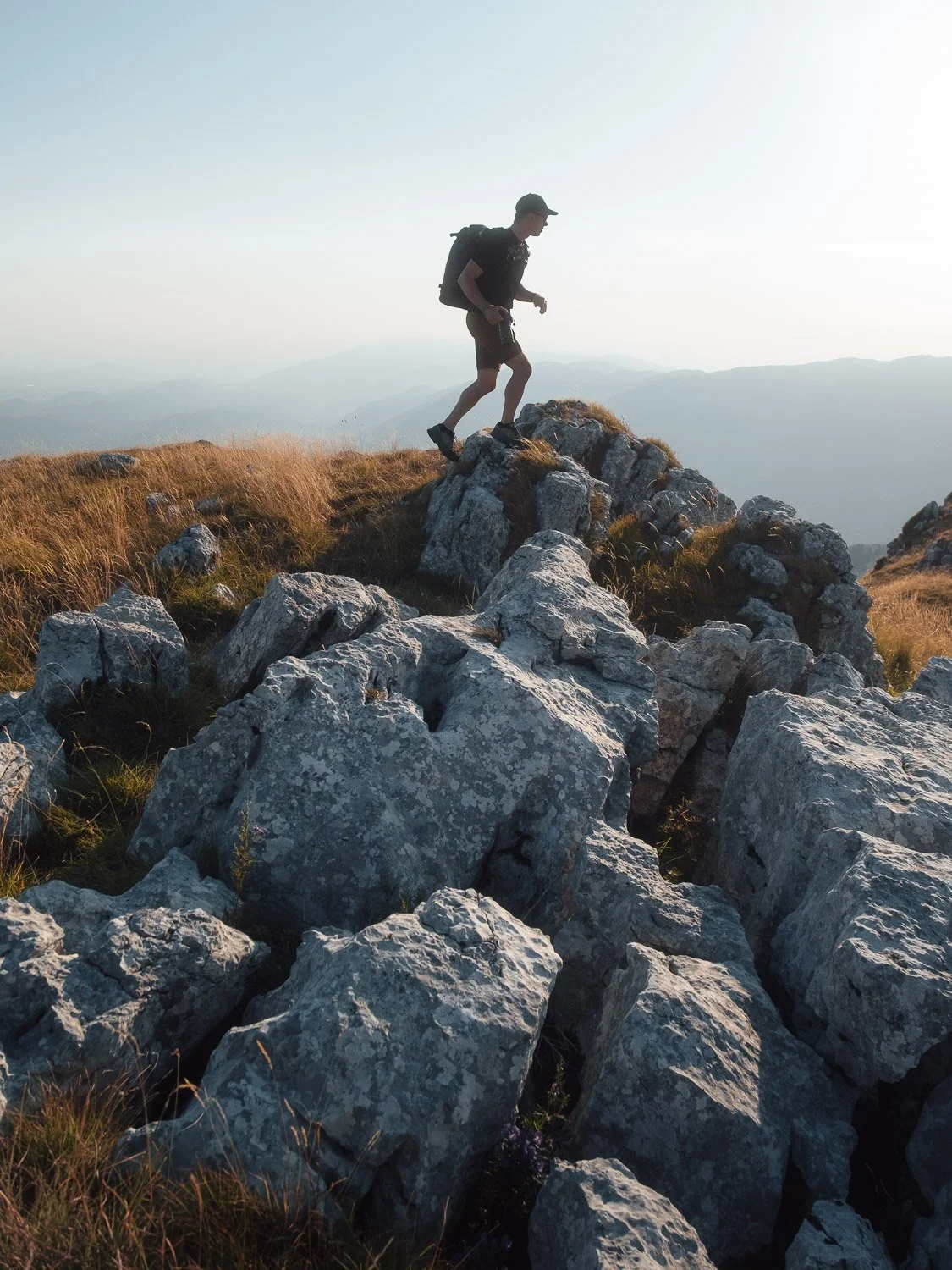
Anyone who has joined one of my workshops will know that we rarely spend an entire day in one place. We move, follow the conditions and adapt our plans to what the landscape gives us. While doing that, I am carrying my own equipment and keeping an eye on the participants, the weather and the light. My backpack is not sitting open beside me for most of the day. It is usually on my back.
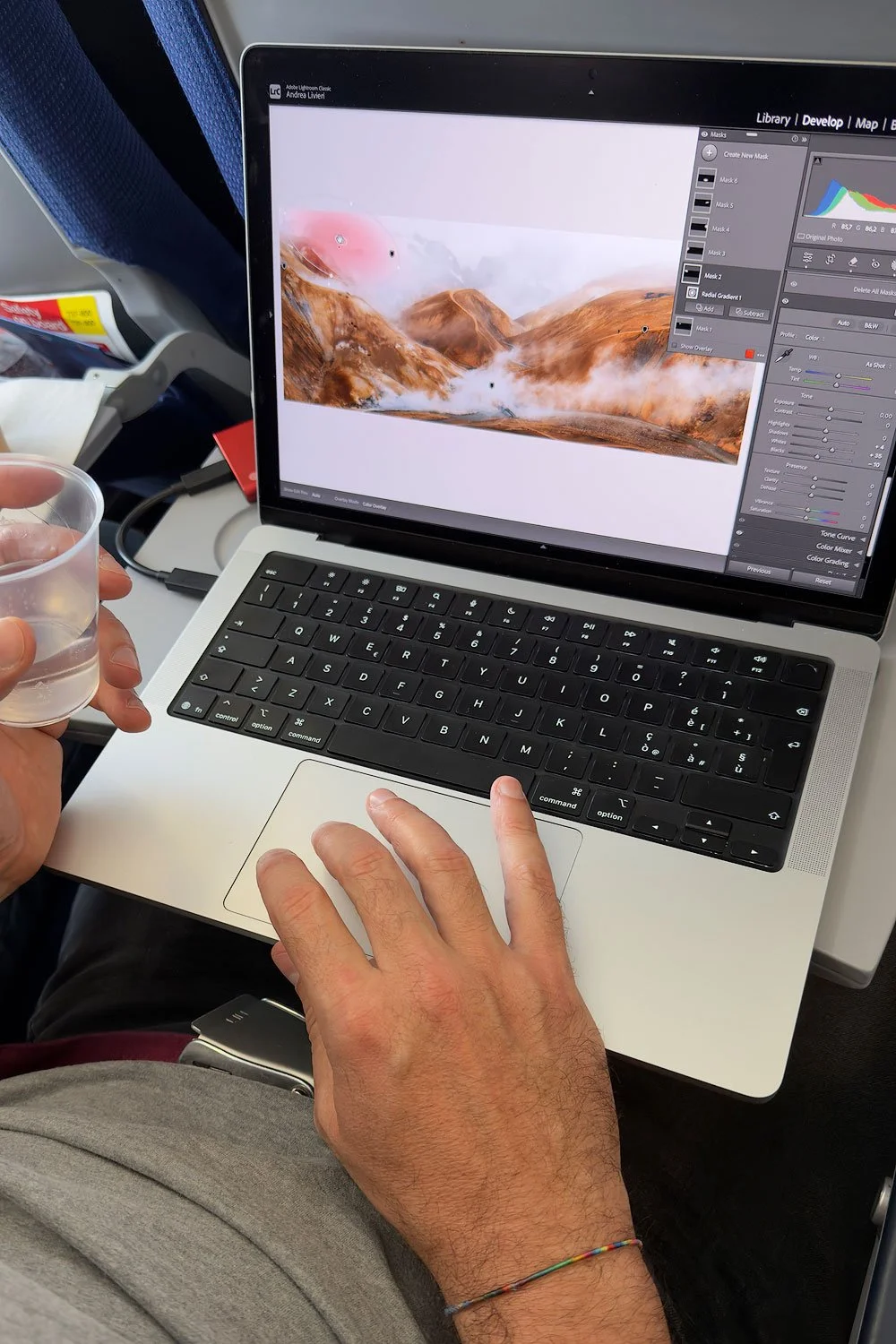
It also needs to carry more than cameras and lenses. Depending on the trip, I may need clothing, food, gloves, personal items, a laptop and my tripod. The same backpack has to feel manageable while moving through an airport and properly supported once I take it outdoors. At approximately 1.86 metres tall, I also wanted more control over how it sits on my torso rather than trying to make a fixed carrying system work for my height.
A few limitations in my previous backpack had gradually become harder to ignore. The top storage area was not properly separated from the camera compartment, and it was fairly limited too. A fleece and a pair of gloves were enough to fill most of it, leaving little room for anything else. Smaller accessories could also work their way down among the cameras and lenses.
Nothing serious, but it made the backpack less practical whenever I needed to carry both photographic and personal equipment.
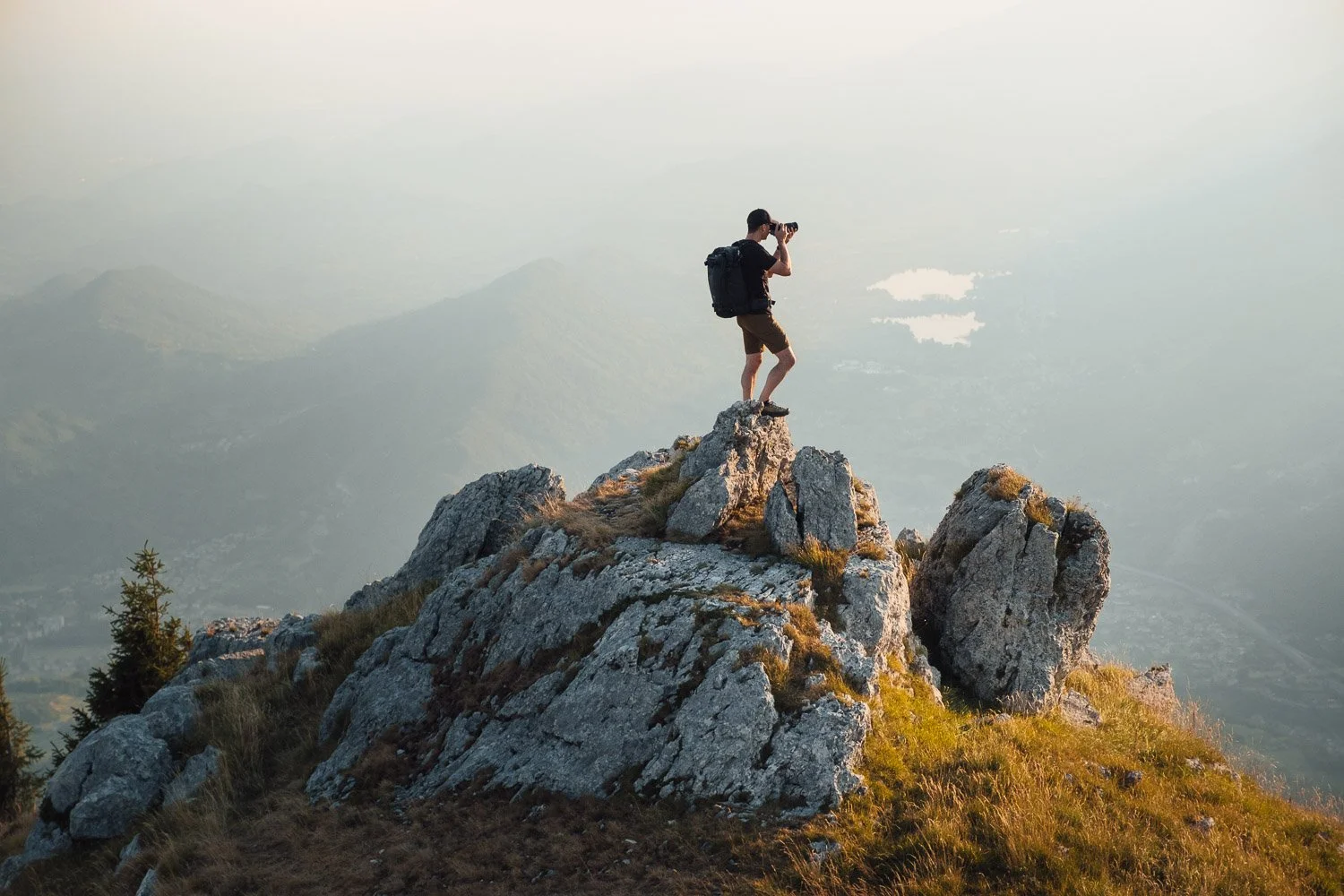
The laptop storage was quite basic as well. My computer travels with me for editing, teaching and managing images, so I want it properly protected. Carrying my tripod involved another compromise: the backpack did not have a dedicated tripod pocket, so I used a third-party holder that worked but never felt fully integrated. My FLM CP30-L4 II is also relatively tall, and the compression straps were not particularly effective at keeping it stable.
None of these issues was dramatic on its own. Together, however, they made me realize that I was adapting the way I worked to the backpack. I wanted the opposite. I wanted to think less about what was on my back and pay more attention to the place I had travelled to photograph.
That experience also changed the questions I ask when looking at a camera backpack for outdoor photography. Capacity matters, but I now pay just as much attention to fit, how well camera and personal equipment are separated, how securely the tripod can be carried, and whether the system can adapt between travelling and long days outside. Those details are much less exciting than headline specifications, but they are often the ones you notice after several hours on your feet.
How I Discovered NYA-EVO: From Iceland to Birmingham
Leading workshops has exposed me to an enormous variety of camera backpacks. Participants have arrived with bags from almost every major manufacturer, in all sorts of sizes and configurations. And I really do mean a lot of backpacks. I have not personally tested every one, of course, but seeing them used during actual trips gives me a useful point of comparison. You notice the clever solutions, the common compromises and the details that become annoying after a few hours outdoors.
A couple of years ago, during one of my workshops in Iceland, a participant arrived with a green FJORD 60-C from the previous generation. That backpack caught my attention. I liked its design and construction, and I noticed several practical features that were missing from my own setup. I could not judge its comfort because I was not carrying it, but I remembered the name and began paying closer attention to NYA-EVO.


Then, in March this year, I finally met the team at The Photography Show in Birmingham. We ended up talking for almost an hour. We started with backpacks, but the conversation soon moved towards photography, visual stories and the different ways photographers work outdoors.
What I particularly liked was that the conversation did not stay on product features for very long. We talked just as much about photography, being outdoors and the experiences behind the photographs.
The backpack had already caught my attention before I met the team. Getting to know the people behind it made the idea of working together feel much more natural, especially as a big part of my work is in outdoor and mountain environments. After Birmingham, I approached NYA-EVO.
Why I Chose the NYA-EVO FJORD 60-C
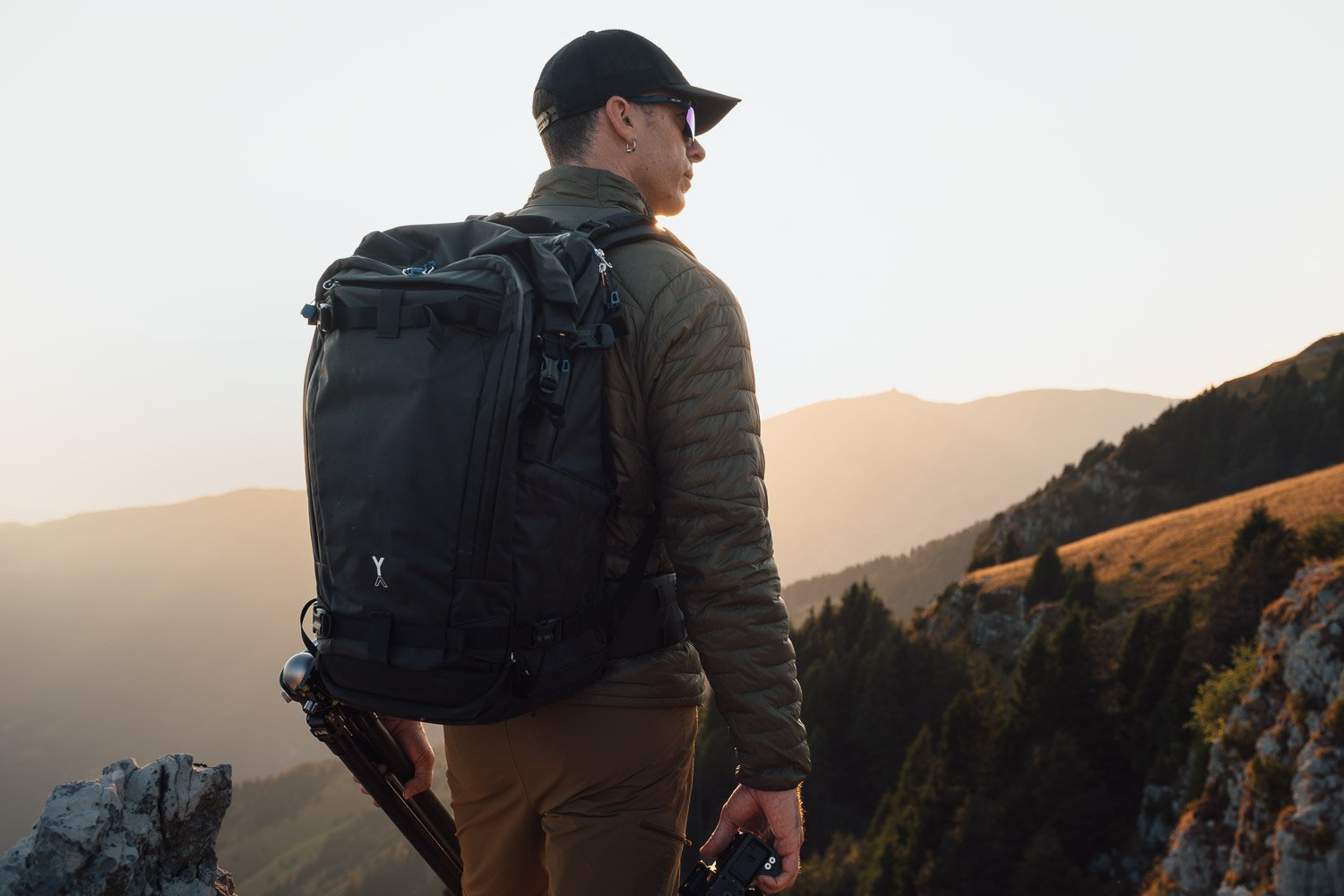
Several details on the NYA-EVO FJORD 60-C ECONYL® Gen 4 camera backpack responded directly to what I had been looking for. The adjustable harness was one of the first. Its shoulder straps can sit at three different heights, giving me more control over the fit. That matters more to me than simply reading that a backpack is comfortable. Fit is personal, and the useful part is being able to adjust it to your own body.
The padded waist belt can also be removed. I want it attached with a heavier outdoor load because it transfers some of the weight towards my hips. At an airport, however, a large padded belt can be awkward. If you have walked through a narrow plane aisle with straps catching on seats and luggage, you will understand what I mean. Removing it gives the backpack a cleaner profile for travelling, and I can attach it again when I need the support.
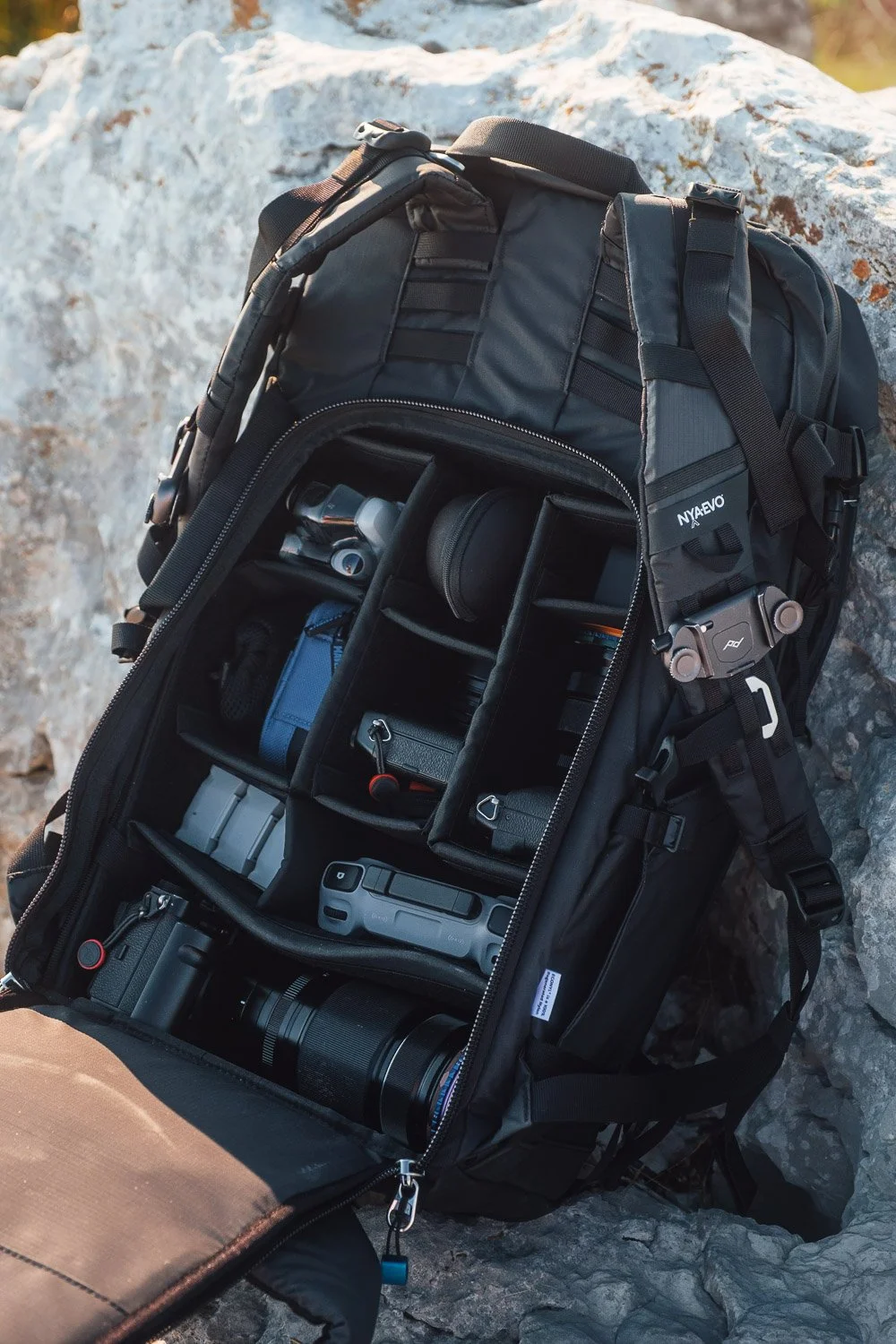
The expandable upper compartment gives me a clearly separated space for clothing, food, gloves and other personal items. For the camera equipment, I chose the RCI-L large camera insert because my setup changes with the work and I wanted room for different combinations of bodies, lenses and accessories. NYA-EVO offers several RCI sizes, and I am interested in trying other configurations too.
Some trips require more photographic equipment; on others, I would rather keep the camera setup smaller and leave more space for personal items.
I do not want to pack every trip in exactly the same way. The equipment should follow the place and the work, rather than forcing everything into one fixed setup.
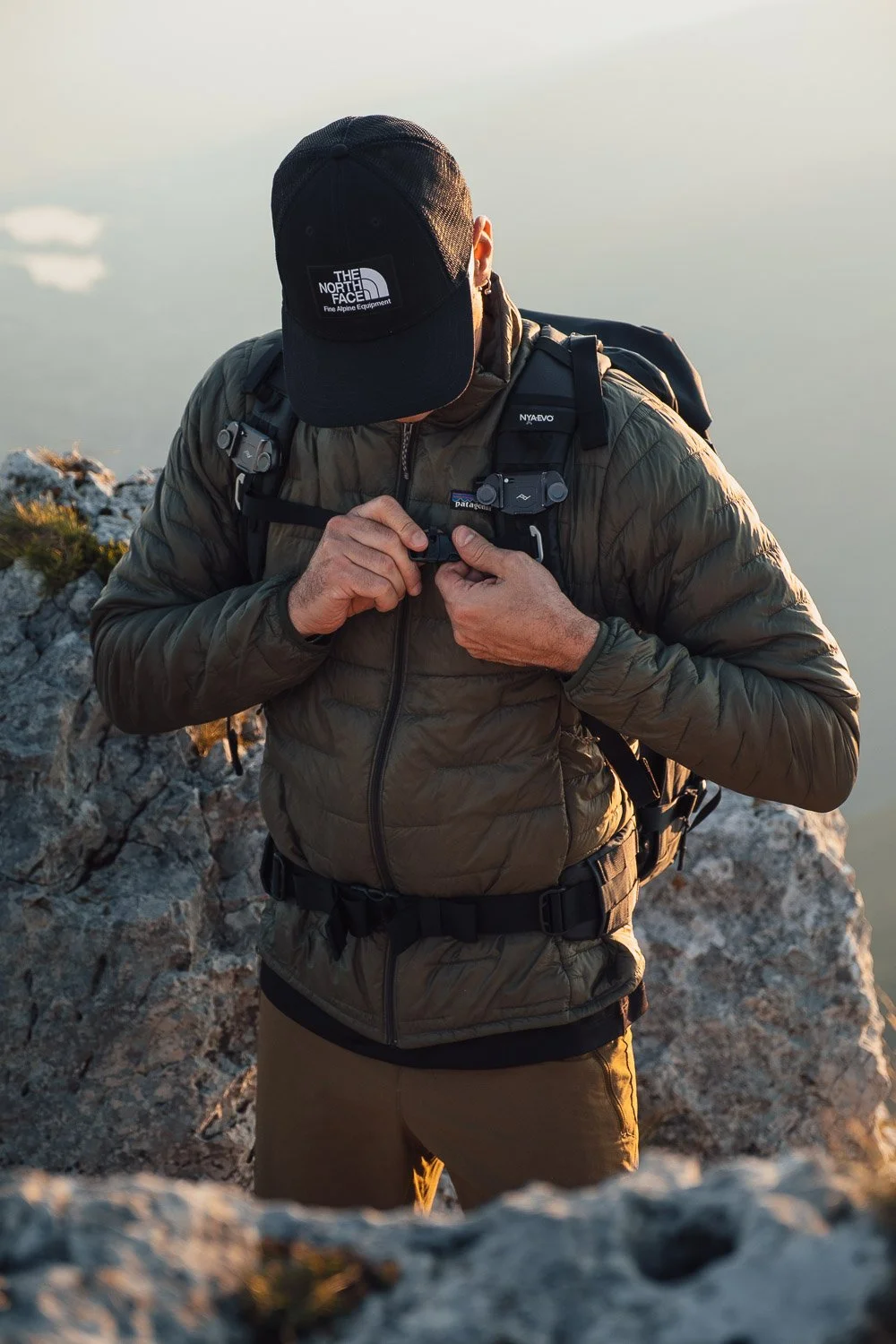
The tripod system is a good example of a small feature solving a very specific problem. The FJORD 60-C has two expandable side pockets and compression straps with locking hardware. During my first outings, my FLM tripod remained securely in place. That might not sound particularly exciting, but after repeatedly dealing with a tripod that moved around, I appreciate it.
The padded laptop compartment also feels much more reassuring than the basic sleeve I had before. Then there are the two dedicated attachment points on the shoulder straps for Peak Design Capture Clips. I love this detail.
I use Capture Clips extensively and have often wondered why more camera backpacks do not provide a stable place for them. They are so common now, yet on many bags you still have to search for somewhere secure to attach one.
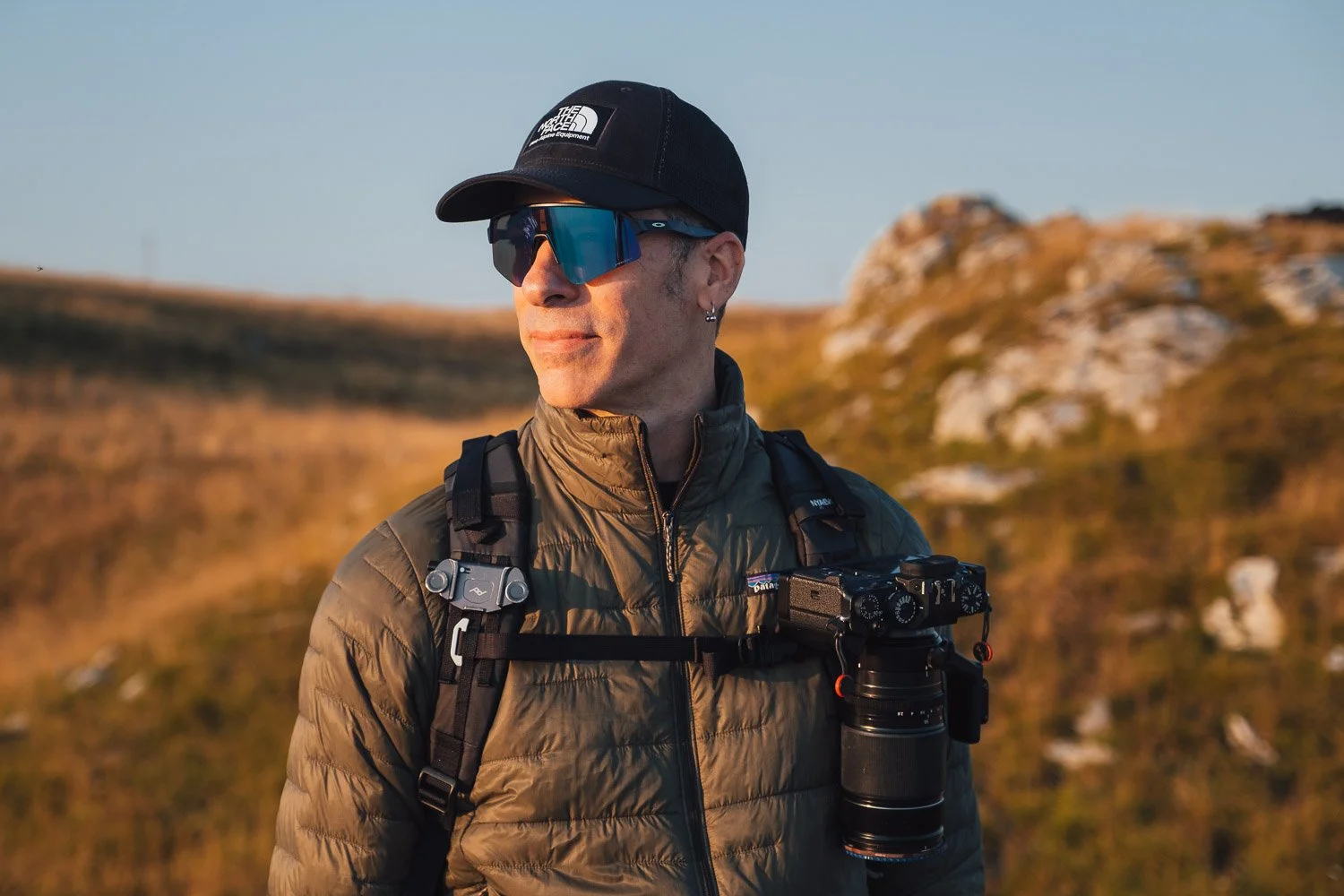

I am still at the beginning with the FJORD 60-C, but I have moved beyond simply adjusting it at home. I have packed it in different ways and used it on those first one-day hikes, which has allowed me to begin assessing the fit under load, the organisation and the tripod system outdoors. So far, the layout makes sense for how I pack, and the harness has helped me find a position that better suits my height.
The backpack is not especially light, and there is no point pretending otherwise. I am still evaluating that trade-off against its protection, organisation, fit and adaptability. A couple of day hikes are enough to begin forming an honest impression, but not enough for a long-term verdict. I still want to see how it feels over consecutive workshop days, longer journeys and different equipment configurations.
What My NYA-EVO Partnership Means and What Comes Next
After we stayed in touch, NYA-EVO invited me to join their ambassador team. I said yes because I could see the FJORD 60-C becoming part of the work I am already doing. The title was not the reason. I wanted to use the backpack properly, tell the team what works for me and what could be improved, and share what I learn with other photographers.
That is all I want this relationship to be: use the equipment, pay attention and be honest about the experience. If that gives NYA-EVO useful feedback and gives other photographers a trustworthy point of reference, then it is worthwhile.
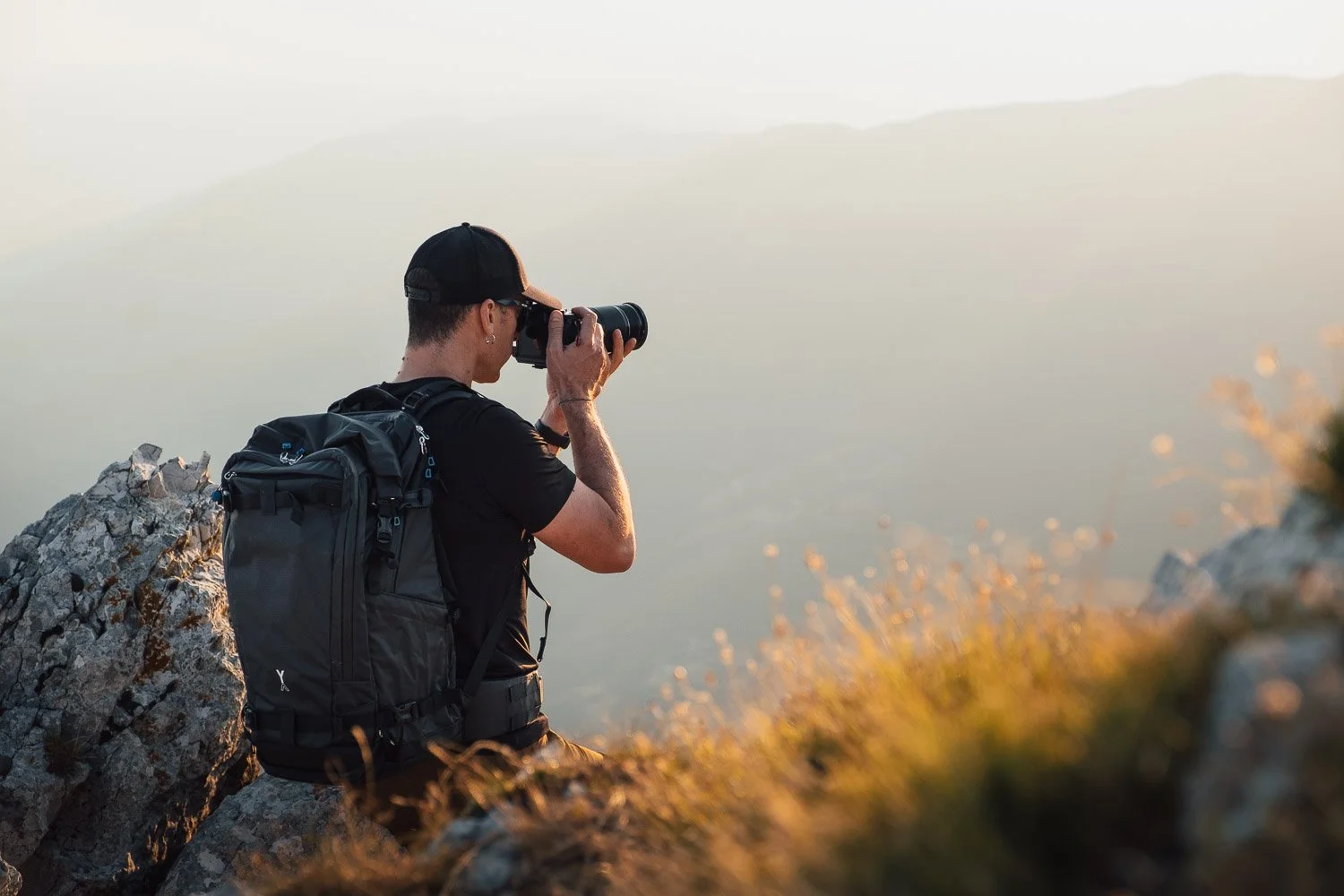
The NYA-EVO FJORD 60-C will be with me during my upcoming photographic work and while leading my Dolomites photography workshops. Those longer days will tell me much more about its fit, comfort and adaptability. Most of all, I want to see how naturally it disappears into the working day: carrying what I need, letting me move through the landscape and leaving my attention free for the photography and the people sharing the experience with me.
Once I have gathered enough experience, I plan to publish a proper field-based review. For now, this is simply why I decided to switch and what I have learned at the very beginning of using the new system.
If you'd like to see how the FJORD 60-C performs after those longer days in the Dolomites—and know when the full field review is published—you can join my weekly newsletter.
Photo credit: A big thank you to Sabrina Tosato, my partner in life and on so many of the journeys behind my photography, for taking the photographs featured throughout this article.
I used the Sigma 100–400mm for Fujifilm X in the Icelandic Highlands and Rotterdam. Here is what its reach, sharpness at 400mm and handheld handling changed in real photographs—and how it compares with the Fujinon alternatives.